
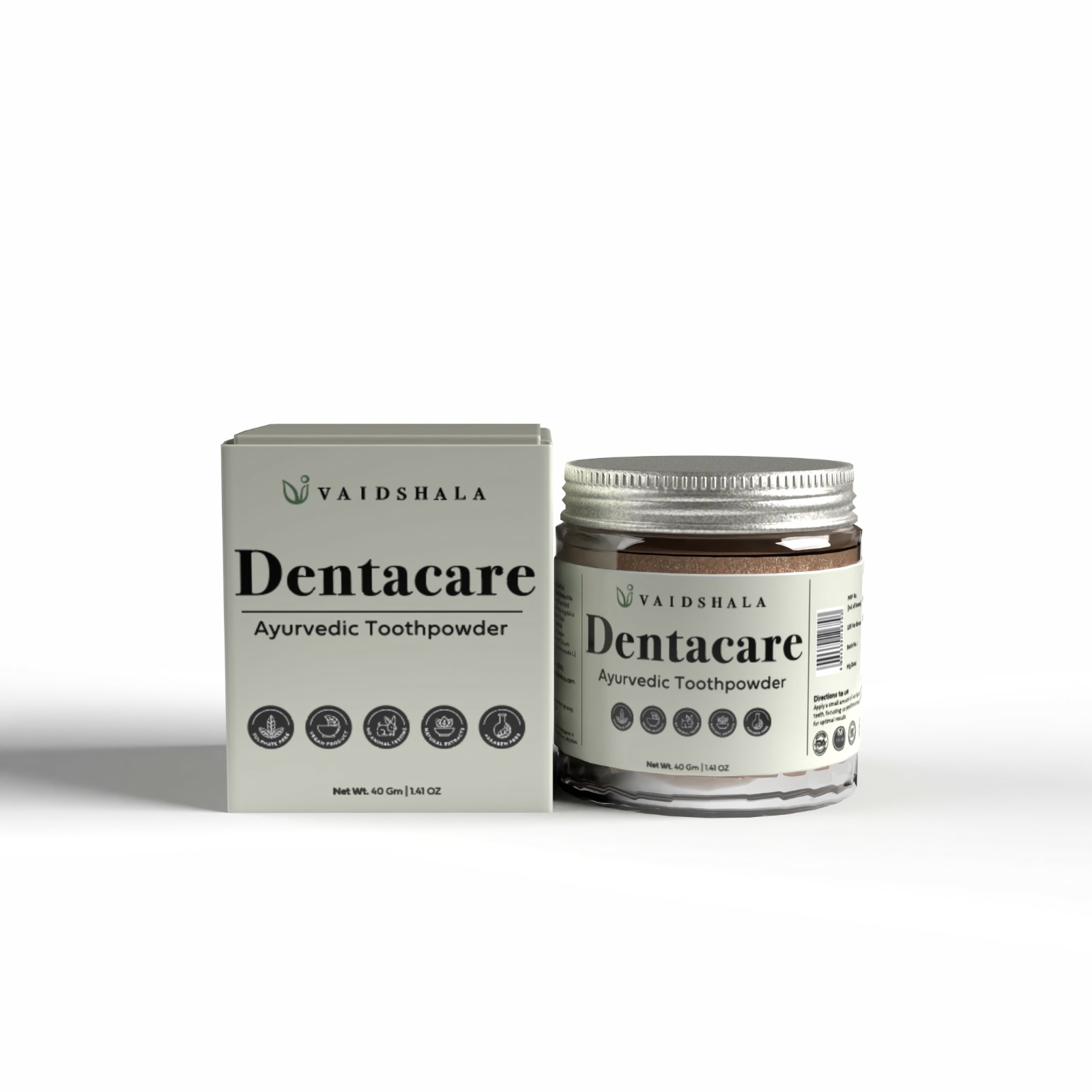
In Sanskrit, neem is called 'Sarva Roga Nivarini' — the curer of all ailments. For thousands of years in India, a neem twig was the only toothbrush a household needed. The twig was chewed to create a frayed brush end, and the act of chewing released a complex cocktail of bioactive compounds directly into the oral environment. Today, modern Ayurvedic brands bottle this ancient power into premium formulations — but the hero ingredient remains unchanged.
The Bioactive Compounds of Neem
Neem contains over 130 identified bioactive compounds. The most significant for oral health are: Nimbidin and nimbin (anti-inflammatory and antibacterial), Limonoids including azadirachtin (antimicrobial and antiviral), Gedunin (antifungal against Candida species), Quercetin and kaempferol (antioxidant and gum-protective flavonoids), and Catechin (tannin with astringent and antibacterial properties). Together, these create a full-spectrum oral protective environment.
Neem Against Tooth Decay Bacteria
The primary bacteria causing dental caries is Streptococcus mutans. Multiple studies have shown that neem extract inhibits S. mutans biofilm formation (the precursor to plaque), reduces its acid production (which erodes enamel), and causes cell lysis at concentrations achievable through regular use of neem-based toothpaste. A key 2020 paper in Phytomedicine confirmed neem's MIC (minimum inhibitory concentration) against S. mutans was comparable to chlorhexidine.
Neem for Gum Disease Prevention
Periodontal disease involves a complex bacterial ecosystem. Neem's broad-spectrum antimicrobial activity targets multiple periodontal pathogens simultaneously — Porphyromonas gingivalis, Fusobacterium nucleatum, and Aggregatibacter actinomycetemcomitans. Nimbidin specifically inhibits the enzymes (collagenase and hyaluronidase) that pathogenic bacteria use to destroy gum tissue, making it uniquely protective against disease progression.
How to Use Neem for Dental Care
There are multiple ways to incorporate neem into your oral care: Use a neem-based toothpaste like Vaidshala Dentacare twice daily, chew a small piece of neem twig for 5 minutes as a traditional datun, use neem leaf decoction as a mouth rinse (boil 10 leaves in 300ml water, cool, strain), or apply neem oil diluted in coconut oil (1:10 ratio) directly to inflamed gums. Consistency is far more important than intensity — daily gentle exposure outperforms occasional intensive use.
Neem vs Chlorhexidine: The Natural Alternative
Chlorhexidine is the gold-standard prescription mouthwash recommended by dentists for gum disease. While effective, it has significant drawbacks: it stains teeth brown with prolonged use, disrupts the oral microbiome indiscriminately (killing beneficial bacteria alongside pathogens), and can cause taste disturbances lasting for weeks. Neem, by contrast, selectively targets pathogenic bacteria while preserving beneficial oral flora — it works with your mouth's natural ecosystem rather than against it.
Neem in Vaidshala Dentacare
Vaidshala's Dentacare formulations use cold-pressed neem leaf extract at a clinically meaningful concentration, combined with complementary herbs to maximise the synergistic effect. Unlike many brands that list neem as a trace ingredient for marketing purposes, Vaidshala ensures neem is a principal active ingredient present at levels that deliver real clinical benefit with every use.
Ready to make the switch to natural oral care?
Shop Vaidshala Dentacare with Neem