
If you've ever had a toothache and reached for a clove, you're continuing a practice that stretches back to ancient India, China, and Egypt. Cloves (Syzygium aromaticum) have been traded along the spice routes not just as culinary ingredients but as prized medicinal commodities. Today, eugenol — clove's primary active compound — is a pharmaceutical ingredient used in dental cements, cavity liners, and root canal preparations worldwide. The ancient spice cabinet and the modern dental surgery are not as far apart as you might think.
Eugenol: The Science Behind the Spice
Eugenol constitutes 70–90% of clove essential oil and is responsible for most of its dental benefits. It works through several mechanisms: as a local anaesthetic by blocking sodium ion channels in nerve cells, as an anti-inflammatory by inhibiting COX-2 enzyme activity (the same pathway targeted by ibuprofen), as an antibacterial by disrupting bacterial cell membranes and inhibiting DNA replication, and as an antioxidant by scavenging free radicals that cause oxidative tissue damage.
Clove for Toothache Relief
Applying a clove or a drop of diluted clove oil to a painful tooth provides genuine, measurable pain relief within minutes. This is not placebo — it is pharmacological local anaesthesia. For temporary relief while awaiting dental treatment, clove is effective and safe. Apply a small piece of clove, a cotton ball soaked in diluted clove oil, or a pea-sized amount of clove-enriched toothpaste directly to the affected area.
Cavity Prevention with Clove
Beyond pain relief, clove actively prevents the bacterial processes that lead to cavities. Eugenol inhibits Streptococcus mutans growth, prevents biofilm formation, and reduces bacterial acid production that erodes enamel. A 2012 study in the Journal of Dentistry found clove extract to be comparable to fluoride in inhibiting enamel demineralisation when used at appropriate concentrations.
Clove for Fresh Breath (Halitosis)
Clove targets the root cause of bad breath — volatile sulphur compounds (VSCs) produced by anaerobic bacteria on the tongue and between teeth. Eugenol's antibacterial activity reduces VSC-producing bacteria, while clove's natural warm, spicy aroma provides pleasant breath. Unlike synthetic breath-fresheners that mask odour, clove actually reduces its production. Many Ayurvedic mouthwash and toothpaste formulations use clove as their primary breath-freshening agent.
How Much Clove Is Too Much?
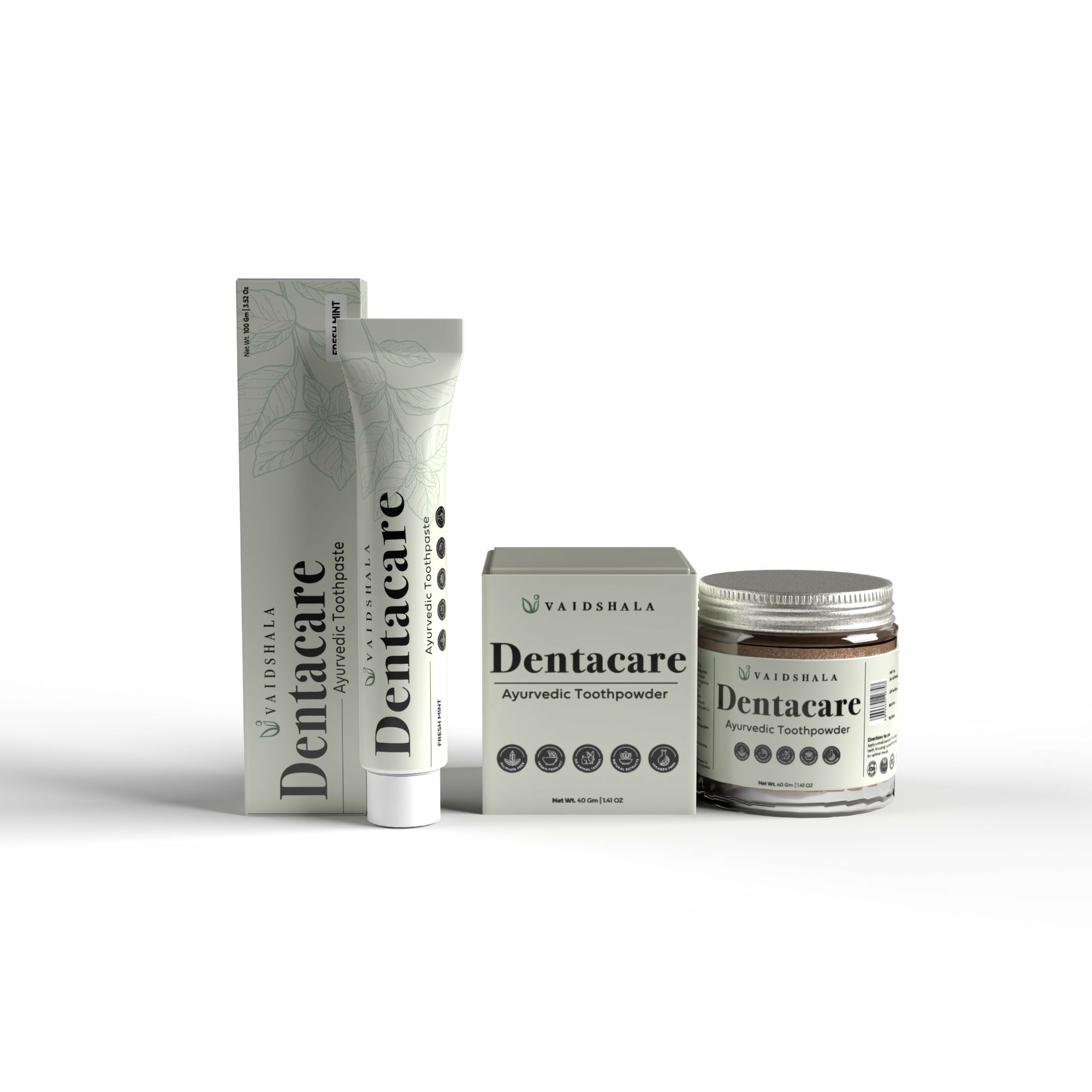
Like all bioactive compounds, clove is dose-dependent. Small amounts in toothpaste or tooth powder (as in Vaidshala Dentacare) are safe and beneficial for daily use. Undiluted clove essential oil should never be used directly on tissue — it can cause chemical burns. The correct use of clove-infused products provides all the benefits at safe concentrations validated for everyday oral hygiene.
Clove in Traditional Dental Practices Across Cultures
In Ayurveda, clove (Lavanga) is classified as tikshna (penetrating), katu (pungent), and snigdha (slightly unctuous) — properties that make it perfectly suited to removing debris, reducing inflammation, and protecting mucous membranes simultaneously. Chinese Traditional Medicine uses clove (Ding Xiang) for abdominal pain, digestive disorders, and dental pain. Medieval European apothecaries kept clove as one of their core dental remedies. This remarkable cross-cultural consensus is perhaps the most compelling endorsement of all.
Ready to make the switch to natural oral care?
Try Vaidshala Dentacare with Clove & Neem